Basic Service
$89 starting · per visit
- Diagnostic visit
- Written estimate
- Same-day scheduling
- 30-day warranty
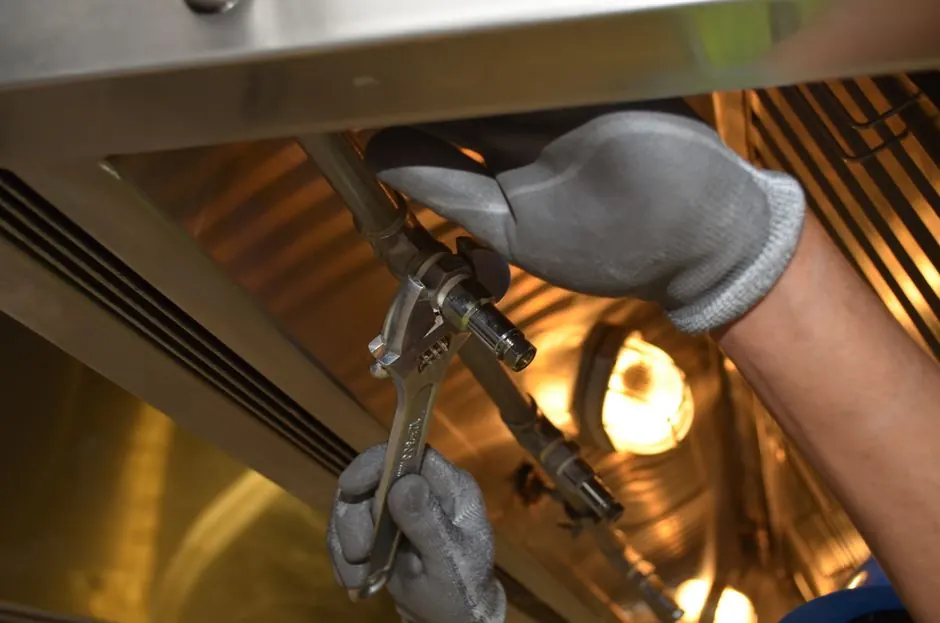
Furnace Repair in Lake Avenue is a category of heating service that restores safe, reliable heat to homes and small commercial buildings when a furnace fails, short cycles, or blows cold air. We serve Lake Avenue North, Lake Avenue South, Lake Avenue East, and the Lake Avenue Corridor with trucks stocked for the older housing stock that dominates ZIP codes 64504 and 64505. Most of the homes we work in were built before 1980, which means we see a lot of aging heat exchangers, tired blower motors, and flame sensors that have never been cleaned. Our techs carry NATE certification and follow NFPA 54 guidelines on every gas-side repair. If you search for Lake Avenue Furnace Repair or emergency furnace repair Lake Avenue Missouri, you will find us ready to roll. We are a furnace repair company Lake Avenue homeowners call when the temperature drops and the heat will not come on.
Furnace repair demand in Lake Avenue spikes hard when the first real cold front hits Missouri. We run gas, electric, and propane calls across the neighborhood, and we keep the most common failure parts on the truck so most jobs finish in one visit. If you need affordable furnace repair in Lake Avenue near me, call us and we will give you a straight answer on what is wrong and what it costs to fix.
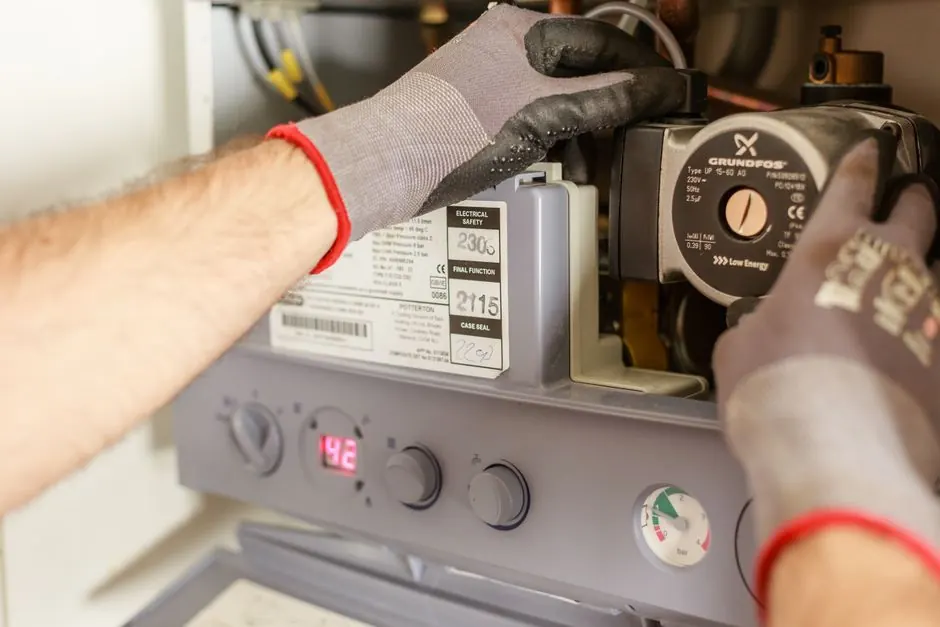
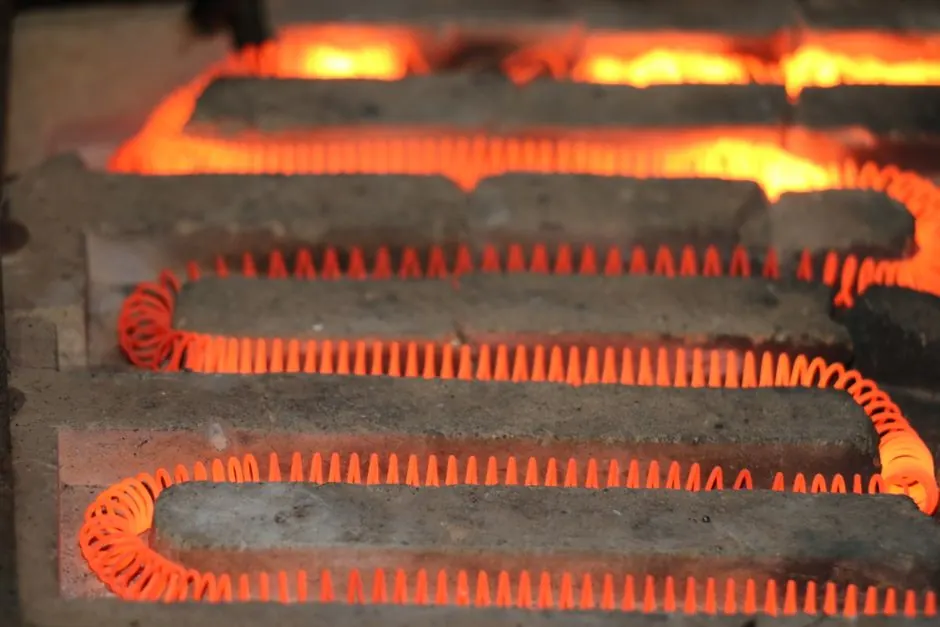
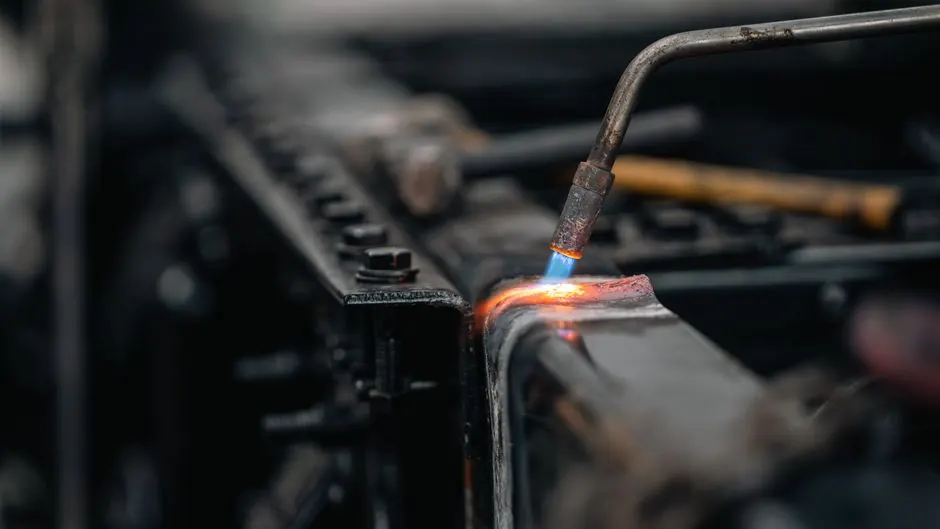
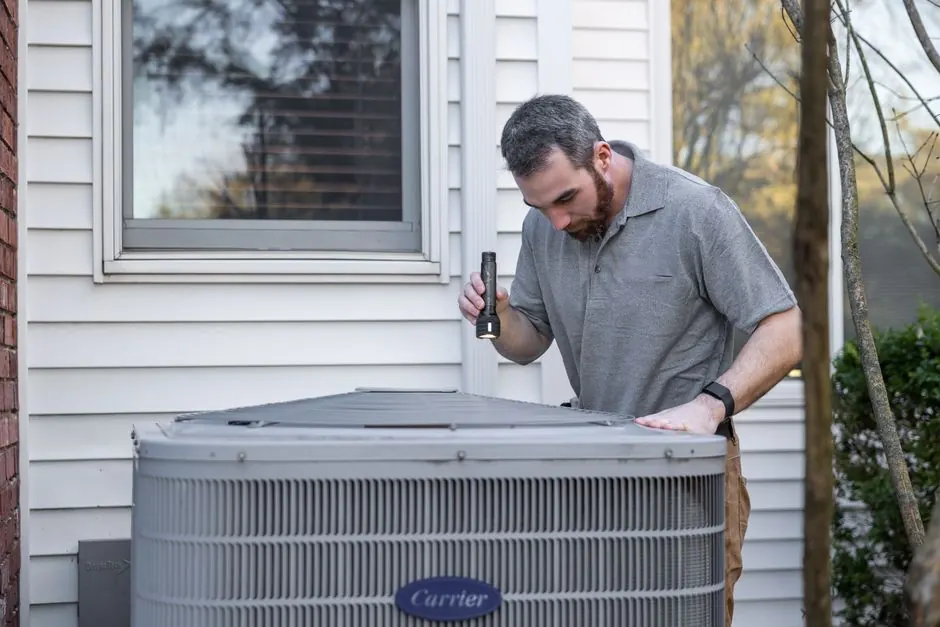
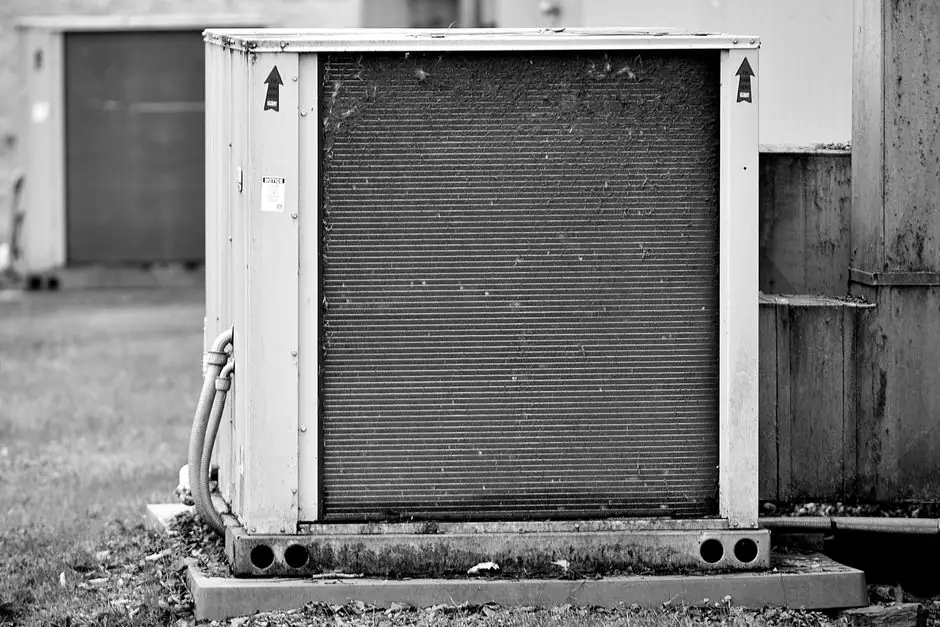
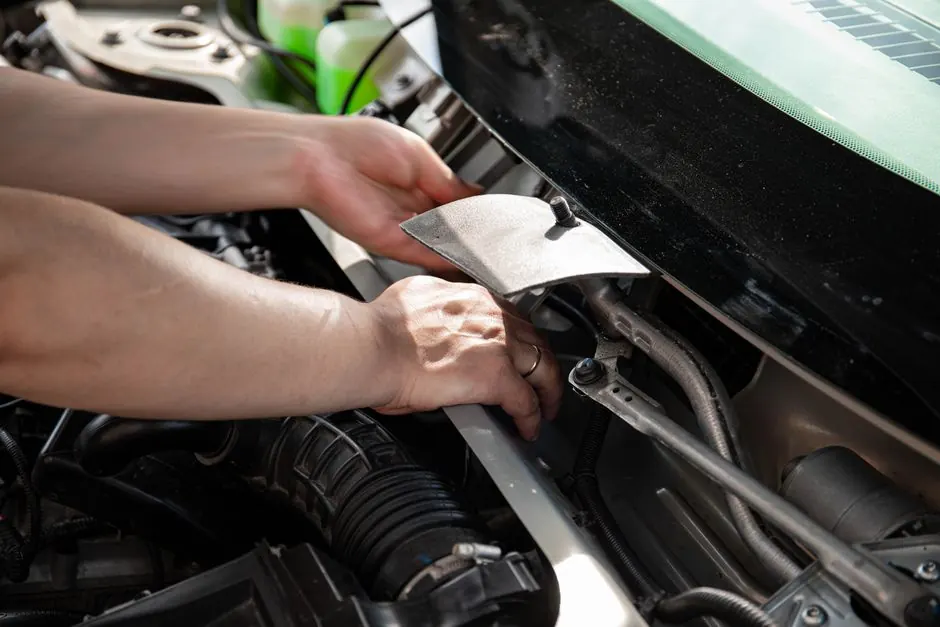
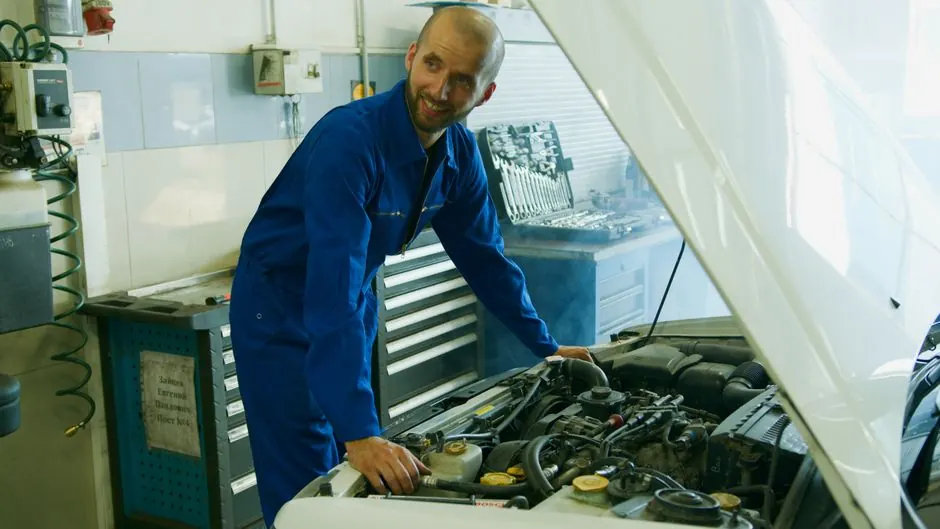
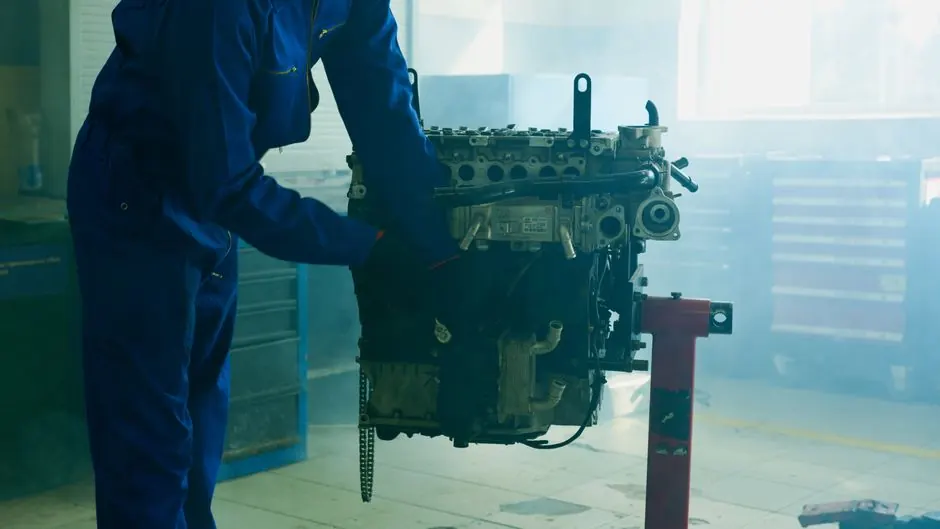
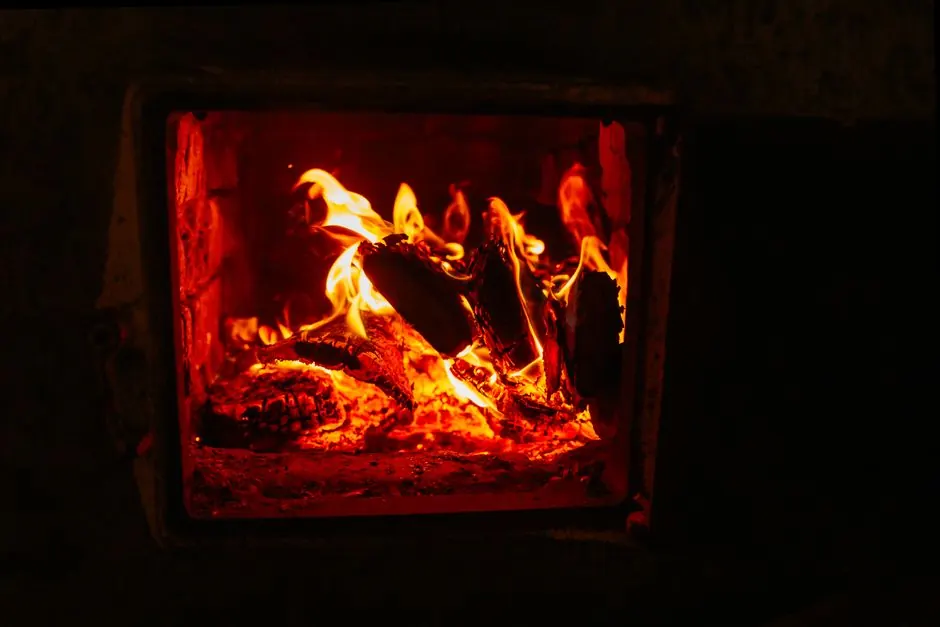
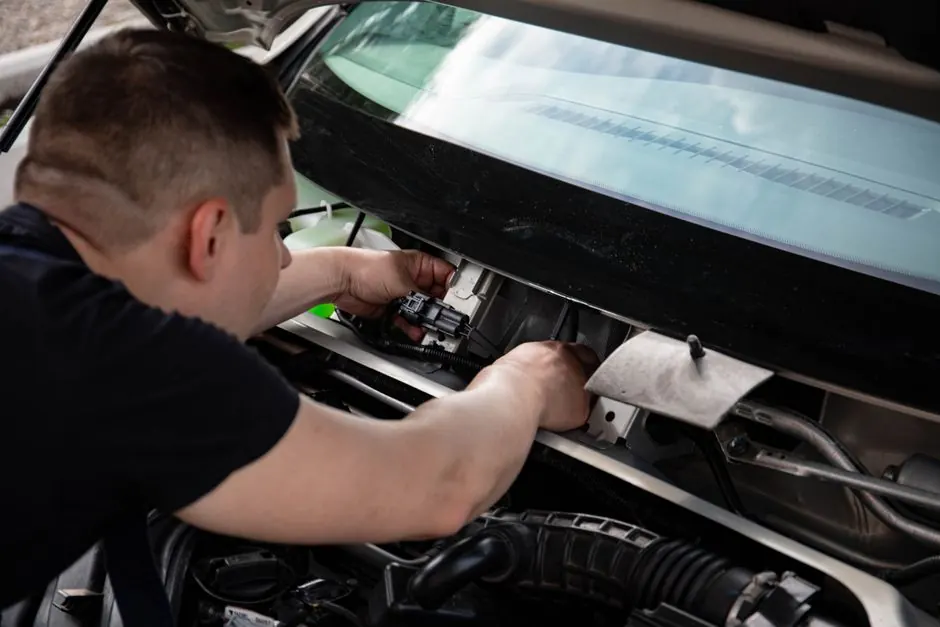
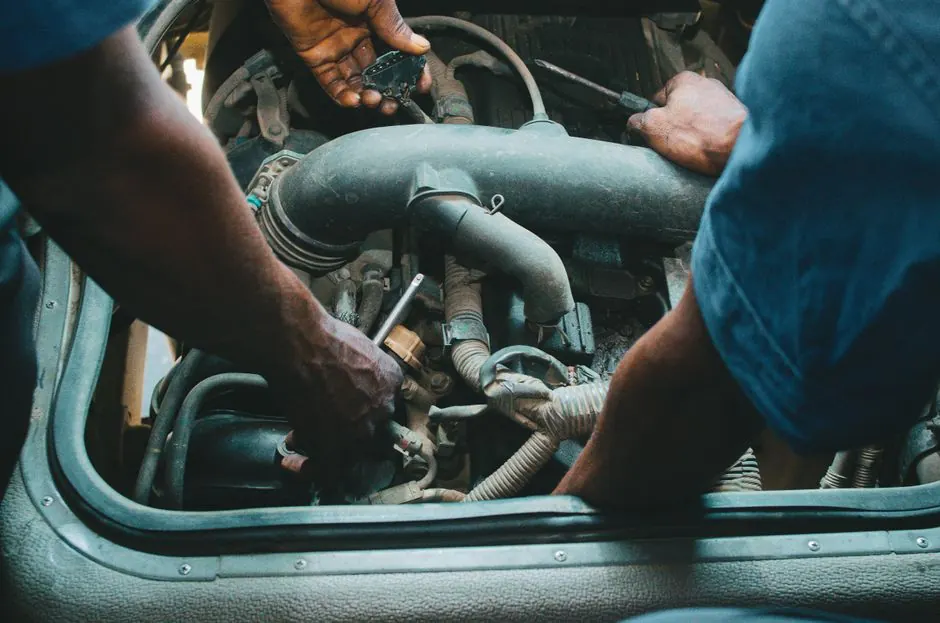
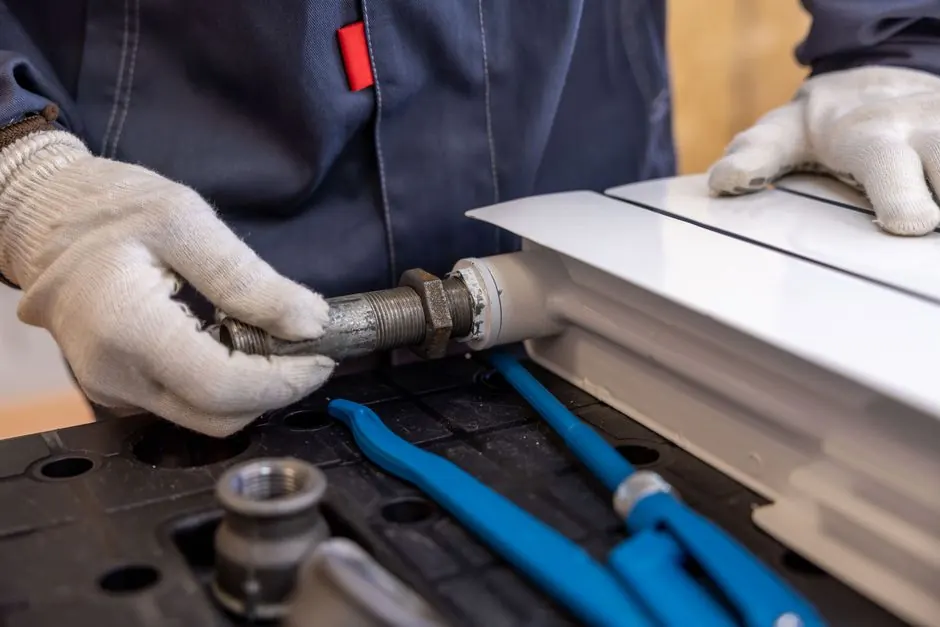
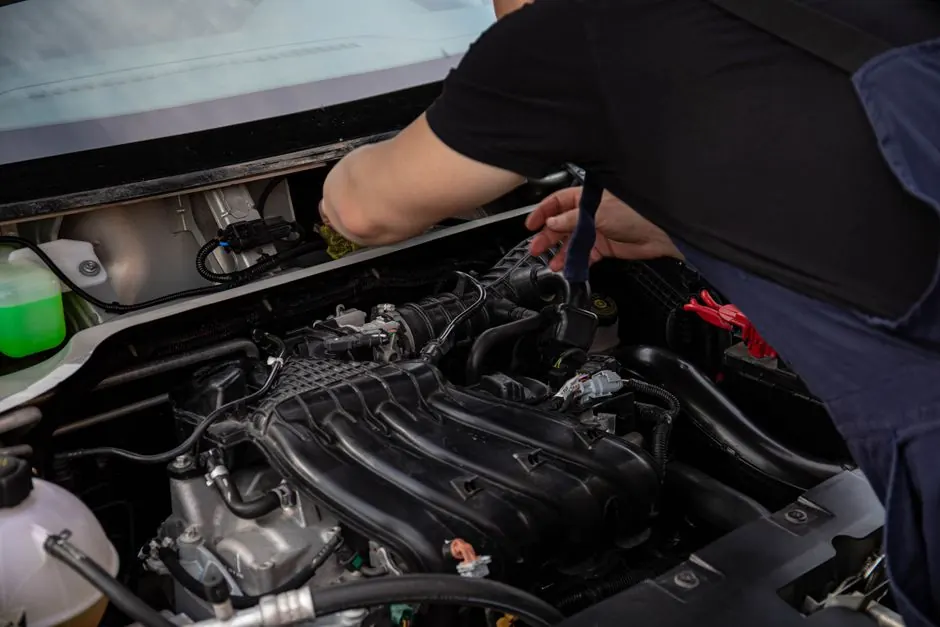
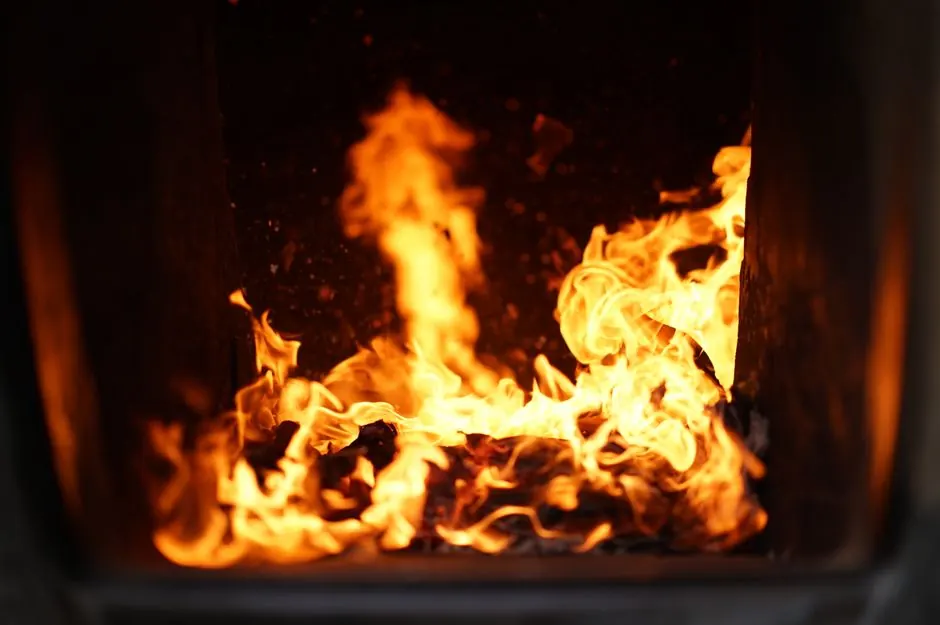
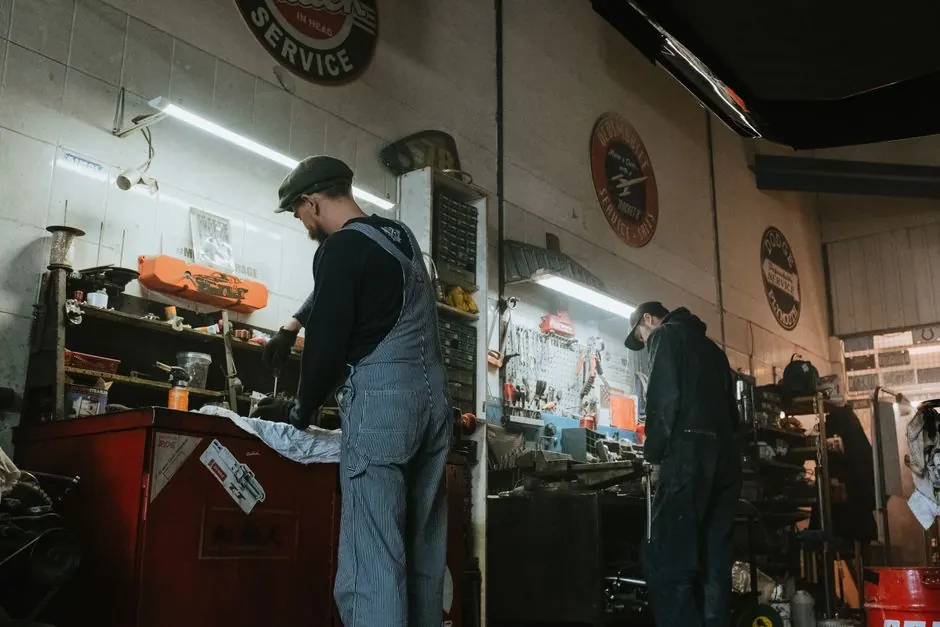
Lake Avenue has a specific set of furnace problems that come up again and again. The older housing stock, cold Missouri winters, and mix of gas, electric, and propane systems drive most of them. Here is what we see most and how we handle it.
Older furnaces in Lake Avenue North and South run on natural gas, which leaves a carbon film on the flame sensor over time. When the film gets thick enough, the sensor loses the flame signal and the furnace shuts down after a few seconds. It is the single most common no-heat call we get.
Hot surface igniters are fragile and wear out over time. The older furnaces common in Lake Avenue have igniters that have cycled thousands of times. A cracked or failed igniter means the furnace will not light at all. We see this most in units over 12 years old.
Many Lake Avenue homes have undersized return ducts and original ductwork. When airflow is restricted, the furnace overheats and the limit switch trips. The furnace shuts off, cools down, and restarts. This cycle repeats until the limit switch fails or the blower motor burns out.
Heat exchangers in older furnaces expand and contract through thousands of heating cycles. Over decades, that stress causes cracks. A cracked heat exchanger can leak carbon monoxide into your home, which is a serious safety issue. We see this most in furnaces over 20 years old.
Most furnace failures do not happen without warning. They give you signs first: odd noises, cold air, short cycles, or a thermostat that will not hold temperature. If you notice any of these, call us before the problem gets worse. Catching a failing igniter early is cheaper than replacing a cracked heat exchanger later.
Furnace blows cold air
A furnace blowing cold air usually means the flame sensor is dirty or the limit switch has tripped. The blower runs, but the burner never fires or shuts off early. This is one of the most common calls we get in Lake Avenue. It is usually a quick fix if caught early.
Furnace short cycles on and off
Short cycling means the furnace runs for a few minutes, shuts off, and restarts. It is often caused by a dirty filter, an undersized return, or a failing limit switch. Short cycling wears out the blower motor and igniter fast. We test airflow and temperature rise to find the cause.
Pilot light keeps going out
A pilot light that will not stay lit usually points to a bad thermocouple or a dirty pilot orifice. Older furnaces in Lake Avenue with standing pilots are prone to this. If the pilot goes out repeatedly, do not keep relighting it. Call us and we will fix the root cause.
Strange noises from the furnace
Squealing, banging, rumbling, or scraping sounds are never normal. A squealing blower motor means worn bearings. A rumbling inducer motor means the draft is failing. A banging duct can mean a pressure issue. Each noise points to a different repair, and some are urgent.
Uneven heating across rooms
If one room is cold while another is warm, the problem is usually airflow, not the furnace itself. Undersized returns, closed dampers, or leaky ducts are common in older Lake Avenue homes. We test static pressure and inspect the ducts with a camera to find the restriction.
Typical 2026 pricing for furnace repair in Lake Avenue runs $180 to $450 for common fixes like igniters, flame sensors, and blower capacitors. More involved repairs, such as a blower motor or control board replacement, run $450 to $900. Heat exchanger replacement or major gas valve work can exceed $1,200, and at that point we walk you through repair versus replacement. We quote upfront before we start work. If you search for furnace repair cost in Lake Avenue Missouri, those ranges are what you should expect from a licensed contractor. We do not charge extra for nights or weekends on emergency calls.
Basic Service
$89 starting · per visit
Standard Repair
$249 average job
Premium Care
$499 annual plan
Lake Avenue is a straight shot with a few key landmarks that help us route fast. Lake Avenue Baptist Church and Lake Avenue Elementary School are the two easiest orientation points on the north end. Lake Avenue Park sits mid-neighborhood and helps us split north and south routes. Lake Avenue Shopping Center anchors the commercial corridor. Lake Avenue Medical Center is a useful marker on the east side. We use these landmarks to dispatch the closest tech and avoid school traffic during drop-off and pick-up hours.
A central orientation point on the north end of Lake Avenue. We use it to route techs toward Lake Avenue North and the surrounding residential streets. It helps us avoid backtracking on service calls.
Lake Avenue Park sits mid-neighborhood and marks the rough divide between north and south routes. We use it to dispatch the closest tech and to estimate drive times during peak hours.
The school creates heavy traffic during drop-off and pick-up. We schedule around those windows when possible and use the school as a marker for addresses on the surrounding streets.
The shopping center anchors the commercial corridor. We use it as a reference point for commercial service calls and for residential addresses on the east side of Lake Avenue.
ZIP coverage on request — call to confirm.
Averaging 4.9 / 5 across verified reviews.
“Our furnace quit on a Sunday night in January. I called and a tech was at our door in about an hour. He found a dirty flame sensor, cleaned it, and had the heat back on in 20 minutes. He also showed me the filter and told me to change it monthly. Fair price, no upsell. We will use them again.”
Dana R.
Lake Avenue North
“We had a Goodman furnace that kept short cycling. Two other companies told us we needed a new furnace. These guys tested the airflow, found an undersized return, and fixed it for a fraction of the cost. The furnace has run perfectly since. Honest work and they explained everything.”
Marcus T.
Lake Avenue South
“Our propane furnace would not light and we were down to 55 degrees. The tech arrived the same day, replaced the igniter, and cleaned the burners. He also checked the heat exchanger with a camera and showed me the screen. Professional and thorough. The price was exactly what he quoted upfront.”
Priya S.
Lake Avenue East
Lake Avenue sees real seasonal swings, and furnace repair demand follows them. Fall and winter are peak season for no-heat calls. Spring and summer are when we catch problems before they strand you in January. Here is what to expect through the year.
Spring in Lake Avenue is mild, but it is the best time to catch furnace problems before they get worse. We see a lot of dirty flame sensors and worn igniters that survived the winter but will not survive the next one. Filters are usually clogged from winter use.
Tip: Change your furnace filter and schedule a tune-up. A spring tune-up catches weak parts while the weather is mild and parts are easy to source.
Summer is slow for furnace repair, which makes it the ideal time for maintenance. We run fewer emergency calls, so scheduling is easy. This is when we do most of our heat exchanger inspections and blower motor cleanings.
Tip: Book a summer tune-up. We clean the blower, test the igniter, and check the heat exchanger. It is cheaper and easier than a January emergency call.
Fall is when furnace repair demand starts climbing in Lake Avenue. The first cold snaps in October and November trigger a wave of no-heat calls. Igniters and flame sensors that were marginal all summer start failing. This is our busiest scheduling season.
Tip: Schedule your fall tune-up in September or early October. Once the first freeze hits, our schedule fills up fast. A tune-up now avoids a wait later.
Winter is peak season for emergency furnace repair in Lake Avenue. January lows drop below 15 degrees, and furnaces run constantly. We see failed igniters, cracked heat exchangers, and seized blower motors. Emergency calls spike hard in December and January.
Tip: Keep your filter clean and watch for short cycling or cold air. If your furnace acts up, call immediately. Do not wait for it to fail completely on the coldest night of the year.
Lake Avenue is part of a larger Saint Joseph service region. We run regular routes through the surrounding neighborhoods and can dispatch to nearby areas without long drive times. If you are just outside Lake Avenue, we likely cover your street too.
(City)
Downtown Saint Joseph is a short drive south of Lake Avenue. We serve downtown addresses on the same routes and often combine calls in the two areas.
View Downtown Saint Joseph(City)
Museum Hill is nearby and shares the same older housing stock profile. We cover it on the same dispatch routes as Lake Avenue North.
View Museum Hill(City)
Hall Street is a short drive from the Lake Avenue Corridor. We serve it regularly and can usually reach it within the same response window.
View Hall Street(City)
South Side is a neighboring area with similar pre-1980 housing. We run service calls there on the same routes as Lake Avenue South.
View South Side(City)
North End sits just beyond Lake Avenue North. We cover it on the same dispatch routes and often combine calls in both areas.
View North End(City)
Midtown is a short drive from Lake Avenue and shares the same mix of older homes and small commercial spaces. We serve it on regular routes.
View MidtownReal answers from our team for the questions we hear most often before a job starts.
If your furnace is blowing cold air, short cycling, or will not turn on, call us now. We run 24/7 emergency dispatch across Lake Avenue, including ZIP codes 64504 and 64505. Our techs are licensed, insured, and stocked with parts for Lennox, Carrier, Trane, Goodman, and Rheem. We quote upfront and we do not charge extra for nights or weekends. One call gets a tech on the way.
Call (816) 339-6148 any time, day or night. We answer live, ask what your furnace is doing, and give you a real arrival window. Most Saint Joseph calls get a tech on site the same day, and emergency calls within 60-90 minutes.
Phone
(816) 339-6148Address
519 S 4th St, St Joseph, MO 64501, United States, Saint Joseph, Missouri
Hours
Mon–Fri: 7AM – 7PM
Sat: 8AM – 4PM
Sun: Emergency Only
24/7 Emergency Available