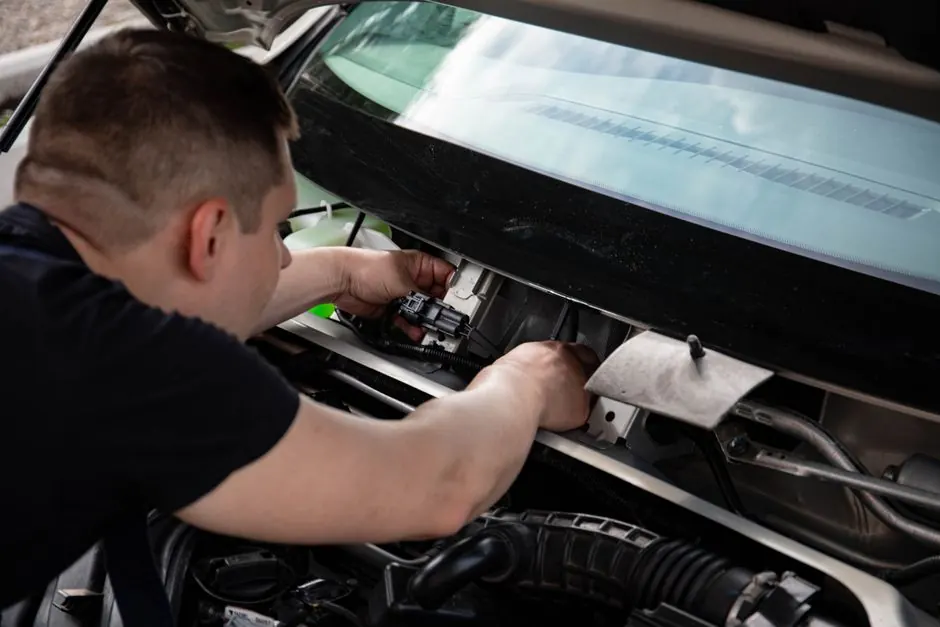
Full ignition diagnosis
We test the thermocouple output, flame sensor microamps, gas valve voltage, and pilot flame quality with a multimeter and thermocouple tester. You get a clear answer on which part failed and why, not a guess.
Every pilot light call covers diagnosis, the repair itself, and safety testing. If we find a bigger problem while we're in the furnace, we tell you before doing anything else, and you decide how to proceed.
We test the thermocouple output, flame sensor microamps, gas valve voltage, and pilot flame quality with a multimeter and thermocouple tester. You get a clear answer on which part failed and why, not a guess.
Failed thermocouples and dirty flame sensors get replaced or cleaned with OEM-grade parts matched to your furnace brand. We verify the new part holds the pilot through a full 10-minute run cycle before we pack up.
Dust, rust, and spider webs block pilot tubes and orifices, especially after summer shutdown. We clear the tube, clean the orifice, and confirm the flame is the right size and color for proper heating.
If the valve won't hold open, we test inlet pressure and voltage, then replace it when needed. Every gas connection gets leak-tested with soap solution and checked with a combustion analyzer afterward.
We check draft, inspect the heat exchanger for cracks, and confirm the limit switch and control board behave correctly. A furnace that lights but vents poorly is still a hazard, so this step isn't optional.
A clogged furnace filter causes overheating and short cycling that can mimic pilot problems. We check filter condition and blower draw, then tell you what to replace and how often during heating season.
Furnace Pilot Light Repair in Saint Joseph, Missouri is a diagnostic and repair service that restores the small standing flame your gas furnace needs to ignite the main burners. When a pilot goes out or refuses to stay lit, the furnace will not heat, and the fix usually involves the thermocouple, flame sensor, gas valve, or the pilot orifice itself. We test each component with a multimeter and thermocouple tester before replacing anything, so you pay for the failed part, not guesswork.
Saint Joseph winters swing hard, and a furnace that quits on a 15-degree night is an emergency, not an inconvenience. Older homes in Museum Hill and Hall Street often still run standing-pilot furnaces with original thermocouples that finally fail after years of service. If you search furnace pilot light not staying lit Saint Joseph, you're describing the most common call we run from November through March. We also see pilot outages after summer shutdowns, when dust and spider webs block the pilot tube.
Five steps, no mystery. Here's exactly how a pilot light call runs from your first phone call to a warm house.
Schedule
Call or book online — a real human picks up and confirms a 2-hour arrival window.
Diagnose
Licensed tech inspects on-site, then walks you through the cause and your options.
Fix
The job is completed to code and done right the first time — no shortcuts, no surprises.
Guarantee
Every job backed by a written workmanship warranty — and we stand behind it.
Multimeter
Reads thermocouple millivolt output and gas valve voltage so we know whether a part has actually failed or just needs cleaning.
Thermocouple tester
Confirms thermocouple output under real flame conditions, the fastest way to separate a bad thermocouple from a gas valve problem.
Combustion analyzer
Measures carbon monoxide, oxygen, and draft after every repair to prove the furnace is burning and venting correctly.
Manifold gauge set
Checks inlet and manifold gas pressure on natural gas and propane furnaces so the pilot and burners get the pressure they're rated for.
Inspection camera
Lets us look inside the heat exchanger and flue passages without pulling the furnace, catching cracks that change the repair plan.
Nut driver set
Removes burner doors, pilot assemblies, and gas valve fittings cleanly so we don't round off fasteners on older furnaces.
NFPA 54 gas code compliance
Every gas connection, pilot assembly, and venting repair follows NFPA 54. We leak-test with soap solution and verify draft, because code compliance is what keeps a repaired furnace safe through the season.
Millivolt testing protocol
We measure thermocouple output under load, not just open-circuit. A thermocouple that reads fine cold can drop below 20 millivolts once the burner box heats up, which is exactly why pilots die after a few minutes.
Combustion analysis after repair
Any pilot or gas valve repair ends with a combustion analyzer reading. If CO or draft numbers are off, the job isn't done, even if the pilot is holding a flame.
OEM parts matching
We fit thermocouples, flame sensors, igniters, and gas valves matched to your furnace brand and model. Generic parts cause flame and timing issues that bring the pilot problem right back.
01
What we do: We clean the pilot orifice and tube, test the thermocouple, and run a full heating cycle. Summer dust and spider webs are the usual culprits, and a fall tune-up prevents the repeat.
→ You get heat the same night and a heads-up on any part that's close to failing before the deep cold arrives.
02
What we do: We diagnose on site, replace the failed thermocouple or gas valve, and document the repair for your records. Landlords get a clear invoice and a furnace that's verified safe for tenants.
→ The tenant has heat, the repair is documented, and you avoid an emergency call at double the cost later.
03
What we do: We inspect the pilot assembly, thermocouple, gas valve, and heat exchanger as a system. On furnaces this age, we often find a thermocouple at the end of its life plus a cracked exchanger worth knowing about.
→ You get an honest repair-or-replace recommendation based on real readings, not a sales pitch.
04
What we do: We schedule around your business hours, repair the pilot or ignition fault, and verify combustion and draft before we leave. Commercial packaged units get the same diagnostic process as residential furnaces.
→ Your doors open on time with safe, working heat and minimal disruption to the business day.
Saint Joseph sits in a climate that swings from humid 95-degree summers to single-digit winter nights, and that range is hard on standing-pilot furnaces. A pilot that sat dormant all summer often won't hold once the first cold front hits in late October. Older housing stock around Museum Hill, Hall Street, and the Stockyards still has plenty of standing-pilot furnaces with original thermocouples, while newer neighborhoods like Mitchell Woods and Sunset Park mostly run intermittent-ignition systems. We route trucks by neighborhood so same day furnace pilot light repair in Saint Joseph Missouri stays realistic even during a January cold snap. Missouri HVAC contractor license rules and local Saint Joseph building permits apply to gas work, and we follow them on every job. If you're searching 24/7 furnace pilot light repair Saint Joseph Missouri at 2 a.m., our line is open.
Downtown Saint Joseph
A mix of older commercial buildings and upper-floor apartments, many with packaged units where pilot and ignition faults show up as no-heat calls during business hours.
Museum Hill
Historic homes with original standing-pilot furnaces. Thermocouple failures and dirty pilot orifices are the most common calls we run here.
South Side
Heavy rental concentration, so we handle a lot of landlord calls where a pilot outage needs same-day repair and clear documentation.
Mitchell Woods
Newer construction with intermittent-ignition furnaces. Pilot-style symptoms here usually trace to the igniter, flame sensor, or control board.
River Bluff
Exposed lots and windier conditions can affect draft and pilot stability, so we pay extra attention to venting and combustion readings on these calls.
Wide seasonal temperature swings
Furnaces sit idle for months, then get pushed hard in the first freeze. Pilots that won't relight after summer are one of our most common October and November calls.
Aging standing-pilot furnaces
Original thermocouples and gas valves wear out after years of cycling. We test rather than assume, so you replace only the part that's actually failed.
Dusty, humid summer air
Dust and spider webs block pilot tubes and orifices during the off-season. A fall cleaning and tune-up prevents most no-heat calls before winter starts.
Cold-snap demand spikes
When temperatures drop into the teens, no-heat calls stack up fast. We prioritize homes with infants, elderly residents, or exposed plumbing to prevent frozen pipes.
Most no-heat calls trace back to one of a handful of pilot failures. Here's what we see, what happens if you ignore it, and how we fix it.
Problem
The furnace never fires, so the house goes cold within hours. Repeated relighting attempts also risk gas buildup if the burner doesn't ignite.
Our Fix
This is almost always a thermocouple that's dropped below 20 millivolts. We test it, replace it with the correct part for your furnace, and confirm the pilot holds without you touching the knob.
Problem
No flame means no heat and, in freezing weather, a real risk of burst pipes in exposed runs. It also usually points to a blocked orifice or a gas supply issue worth checking.
Our Fix
We clear the pilot tube and orifice, verify gas pressure at the valve, and test the ignition source. If the gas valve has failed closed, we replace it and leak-test every fitting before restarting.
Problem
Short cycling wears out the blower motor, control board, and limit switch, and it leaves rooms cold even though the furnace technically ran.
Our Fix
We check the flame sensor, limit switch, and airflow together. A dirty flame sensor, clogged filter, or failing blower motor can all cause this, and we fix the actual cause instead of resetting the furnace.
Problem
You're paying for gas and electricity while the house gets colder. It usually means the main burner isn't igniting or the blower is running without heat.
Our Fix
We trace the signal from the pilot to the gas valve and main burners, test the control board, and repair the break in the ignition chain so the burners fire and warm air reaches your registers.
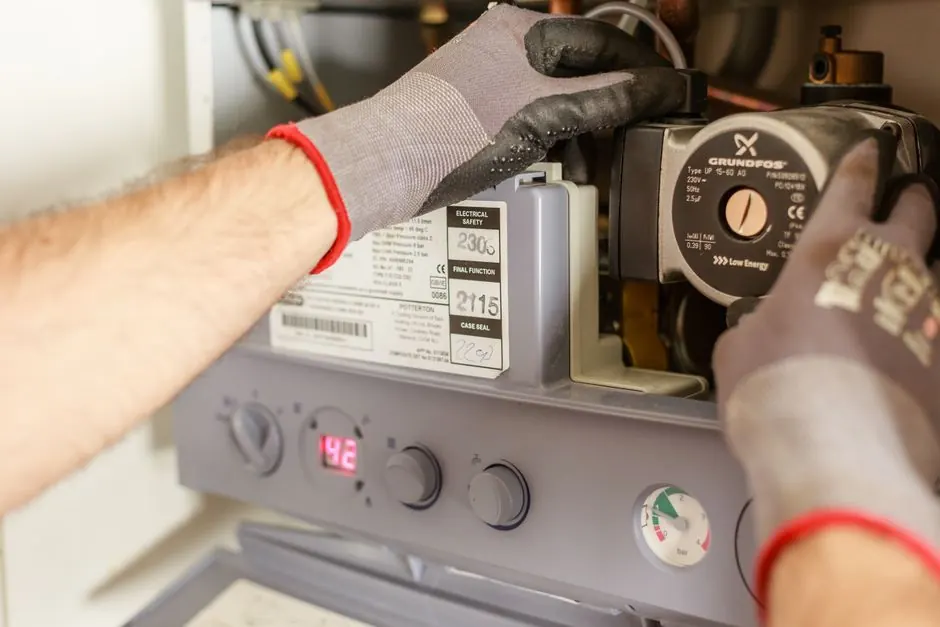
A dead pilot light is a heat outage. Our job is to find the failed part, repair it correctly, and prove the furnace runs before we leave your driveway.
Same-day heat restored
Most pilot light repairs take 60 to 90 minutes once we're on site. We stock common thermocouples, igniters, and flame sensors on every truck, so the majority of same day furnace pilot light repair in Saint Joseph Missouri calls finish in one visit without a parts run.
Code-correct gas work
Every repair follows NFPA 54 and Missouri HVAC contractor license requirements. We leak-test gas connections with a combustion analyzer and soap solution after any gas valve or pilot assembly work, so your furnace is safe to run all winter.
Diagnosis, not parts swapping
We test the thermocouple, flame sensor, gas valve, and control board with a multimeter and thermocouple tester before recommending a part. That's how we keep affordable furnace pilot light repair Saint Joseph MO pricing honest instead of billing you for components that still work.
24/7 emergency response
Pilots fail at 2 a.m. on the coldest night of the year. Our 24/7 furnace pilot light repair Saint Joseph Missouri line stays open through holidays and cold snaps, and we prioritize no-heat calls for homes with infants, elderly residents, or frozen-pipe risk.
Typical 2026 pricing for furnace pilot repair in Saint Joseph runs $180 to $450 for most jobs. A thermocouple or flame sensor replacement sits at the low end; a gas valve or full pilot assembly replacement sits higher. Diagnostic time is built into the repair price, and you approve the number before we start. We don't charge extra for after-hours calls on the 24/7 line, and we don't sell parts you don't need.
Typical Investment Range
$180 - $450 for most pilot light repairs; gas valve or control board jobs run higher
You're paying for a measured diagnosis, OEM-grade parts, and safety testing that proves the furnace burns and vents correctly. That's cheaper than a repeat call, and far cheaper than a furnace replacement you didn't need.
What changes the price
Failed component
A thermocouple or flame sensor is a quick, low-cost fix. A gas valve, control board, or pilot assembly replacement costs more in parts and labor, and we quote it before starting.
Furnace age and brand
Older standing-pilot furnaces sometimes have seized fittings or discontinued parts. Lennox, Carrier, Trane, Goodman, Rheem, Bryant, York, and Amana parts vary in price, and we match OEM spec.
Access and location
A furnace in a tight closet, crawlspace, or attic takes longer to service than one in an open basement. We tell you upfront if access adds time to the job.
Related repairs found
If we find a cracked heat exchanger, tripped limit switch, or failing blower motor during the pilot repair, we explain the options and cost before doing anything else.
Time of day
Our 24/7 emergency line stays open nights, weekends, and holidays. Emergency dispatch is priced clearly upfront, so you know the number before a tech rolls.
Google ★★★★★4.9
Pilot kept going out and they diagnosed a weak thermocouple in minutes. Replaced it the same visit and showed me the millivolt reading before and after. Furnace has run all winter without a problem.
Yelp ★★★★★4.8
Called the 24/7 line on a Sunday night when our heat quit. Tech arrived within a couple hours, cleaned the pilot orifice, and had us warm before bed. Fair price for an emergency call.
BBB ★★★★★4.9
Honest diagnosis on an old furnace another company wanted to replace. They found a bad gas valve, fixed it, and checked the heat exchanger while they were in there. No pressure, no upsell.
Google ★★★★★5.0
Landlord here. They handle all my Saint Joseph rentals and document every repair. Pilot issues get fixed same day and my tenants stay happy. That's worth a lot.
Real experiences from customers who chose our Furnace Pilot Light Repair services.
“Our pilot kept going out every couple of days and we just kept relighting it. The tech tested the thermocouple, showed me the reading was down around 14 millivolts, and swapped it in under an hour. Furnace has held a flame all winter since. Fair price and he explained everything without talking down to me.”
Dana R.
Homeowner, Museum Hill
“I manage three rentals and one of them lost heat on a Friday night in January. Called the 24/7 line and had a tech out before midnight. It was a dirty pilot orifice and a weak flame sensor. He fixed both, tested the gas connections, and sent me the invoice the next morning. That's how you keep tenants happy.”
Marcus T.
Landlord, South Side
“Our old Bryant furnace wouldn't stay lit and two other companies told us we needed a whole new unit. These guys found a failing gas valve, replaced it for a fraction of a new furnace, and it's run fine for two seasons now. They also checked the heat exchanger while they were in there. Honest work.”
Karen L.
Homeowner, Hyde Park
Real answers to the questions we hear most often from local homeowners and property managers.
Pilot failures are usually the first symptom of a broader gas-side problem. We test the gas valve, burners, and manifold pressure alongside the pilot so your Saint Joseph furnace runs clean and safe, not just lit.
View Gas Furnace RepairNo pilot light on an electric furnace, but the same no-heat symptom brings homeowners to us. We diagnose sequencers, elements, and limit switches so you get the right repair instead of a pilot service you don't need.
View Electric Furnace RepairPropane pilot assemblies foul differently than natural gas, and orifice sizing matters. We stock propane-specific thermocouples and pilot parts so rural Saint Joseph-area homes get the correct fix the first visit.
View Propane Furnace RepairA pilot that dies at 2 a.m. in January is an emergency. Our 24/7 line dispatches a tech for no-heat calls, and pilot outages are one of the fastest repairs we run once we're on site.
View Emergency Furnace RepairMost pilot light calls finish the same day because we carry thermocouples, flame sensors, and gas valves on every truck. Call before early afternoon and you'll usually have heat back before dinner.
View Same-Day Furnace RepairFrom bungalows in Hall Street to newer builds in Mitchell Woods, we repair residential standing-pilot and intermittent-ignition furnaces. Pilot assemblies, control boards, and blower motors are all in our wheelhouse.
View Residential Furnace RepairCall (816) 339-6148 any time, day or night. We answer live, ask what your furnace is doing, and give you a real arrival window. Most Saint Joseph calls get a tech on site the same day, and emergency calls within 60-90 minutes.
Phone
(816) 339-6148Address
519 S 4th St, St Joseph, MO 64501, United States, Saint Joseph, Missouri
Hours
Mon–Fri: 7AM – 7PM
Sat: 8AM – 4PM
Sun: Emergency Only
24/7 Emergency Available