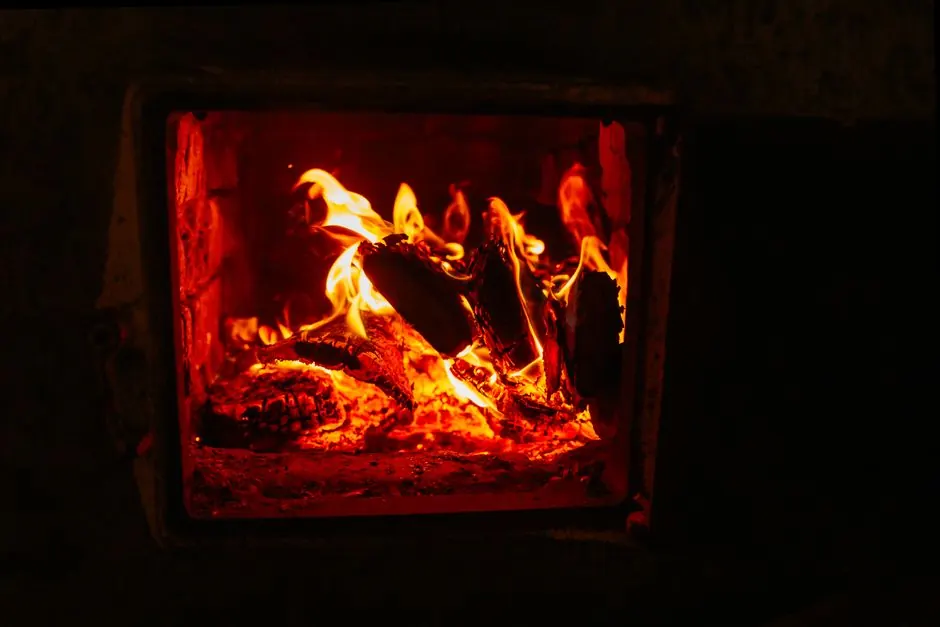
You can safely relight a furnace pilot light yourself if you smell no gas, the flame goes out cleanly, and you can reach the gas control valve without removing any panels. Turn the gas valve to OFF, wait five minutes for residual gas to clear, then hold a long lighter to the pilot orifice while pressing the reset button for 30 to 60 seconds. If the flame won't hold after two attempts, stop and call a professional. That's the short answer. The rest of this guide walks you through the exact steps, the safety checks that matter, and why pilots in Saint Joseph homes go out in the first place.
How to relight a furnace pilot light safely is a procedure that depends on three things: the type of ignition system your furnace uses, the condition of the thermocouple or flame sensor, and whether gas is actually reaching the pilot assembly. Get those right and the job takes ten minutes. Get them wrong and you're either wasting time or creating a hazard.
What a furnace pilot light actually does
A furnace pilot light is a small, continuously burning flame that ignites the main gas burner when your thermostat calls for heat. On older standing-pilot furnaces - common in Saint Joseph homes built before the mid-1990s - that flame burns 24/7, 365 days a year. It's the ignition source, and it also heats a thermocouple that generates a tiny electrical current. That current tells the gas valve it's safe to open.
If the pilot goes out, the thermocouple cools, the current stops, and the gas valve stays shut. That's a safety feature, not a malfunction. The furnace will not fire until the pilot is lit and the thermocouple is producing enough millivolts - usually 20 to 30 mV on a healthy system.
Newer furnaces (roughly 2010 and later) use electronic ignition instead. You won't find a pilot light at all - you'll see an igniter and a flame sensor. If your furnace has no pilot tube and no reset button, this guide doesn't apply. What you have is an Furnace Ignition Repair in Saint Joseph, Missouri issue, and that's a different diagnostic path.
Safety first: before you touch anything
Natural gas and propane are both heavier than air in confined spaces, and a pilot light that won't stay lit can mean gas is pooling near the burner. Before you do anything else, do these three checks:
- Smell. If you smell rotten eggs or sulfur near the furnace, leave the house. Don't flip switches, don't use your phone inside, don't relight anything. Call your gas utility from outside.
- Ventilation. Open the furnace closet door and give the area five full minutes of air exchange before you bring a flame anywhere near it.
- Shutoff. Know where your gas shutoff valve is - usually a quarter-turn ball valve on the pipe feeding the furnace. If anything feels wrong mid-procedure, close it.
One more thing: never use a match taped to a screwdriver, a rolled-up piece of paper, or a candle to light a pilot. Use a long-reach barbecue lighter or a proper pilot lighter. The pilot orifice sits deep inside the burner compartment, and your hand should not be inside that compartment when the flame catches.
How to relight furnace pilot light step by step in Saint Joseph
Here's the procedure we walk homeowners through on the phone every heating season. It works on most standing-pilot furnaces - Carrier, Bryant, Rheem, and older Lennox units especially.
- Set the thermostat to OFF. Not heat, not auto - off. You don't want the main burner trying to fire while you're working on the pilot.
- Turn the gas control knob to OFF. It's on the gas valve body, usually a red or black knob with OFF, PILOT, and ON positions.
- Wait five minutes. This is the step people skip. Five minutes lets any residual gas in the combustion chamber dissipate. Skipping it is how flash fires happen.
- Turn the knob to PILOT. Push it down and hold it. You should hear a faint hiss of gas at the pilot assembly.
- Light the pilot. Hold your long lighter at the pilot orifice and press the piezo igniter button if your furnace has one. The flame should catch within a few seconds.
- Hold the knob for 30 to 60 seconds. This heats the thermocouple so it can generate enough current to hold the gas valve open. Let go too early and the flame dies.
- Release and check. The flame should stay lit. If it does, turn the knob to ON and reset your thermostat.
- Watch the main burner. Within a minute or two, the main burner should ignite. If it doesn't, the pilot may be lit but the gas valve or thermostat circuit has another problem.
If the pilot lights but goes out the moment you release the knob, the thermocouple is the prime suspect. That's a $15 to $40 part and about an hour of labor to replace. We handle these on most Furnace Pilot Light Repair in Saint Joseph, Missouri calls in under 90 minutes, including the diagnostic.
Why does my furnace pilot light keep going out in Saint Joseph Missouri?
A furnace pilot light that keeps going out in Saint Joseph Missouri is almost always caused by a failing thermocouple, a dirty pilot orifice, or a draft pulling the flame away from the thermocouple tip. Those three causes account for roughly 80% of the pilot calls we run between October and March.
Here's how to tell them apart:
- Thermocouple failure. Pilot lights fine, dies within 5 to 10 seconds of releasing the knob. The thermocouple is worn out or misaligned. Replace it.
- Dirty orifice. Pilot flame is weak, yellow, or flickering instead of a steady blue cone. The orifice is partially clogged with dust, rust, or spider webs. Saint Joseph's older housing stock - especially the pre-1950 homes near the Museum Hill and Hall Street areas - has this problem constantly because the ductwork and furnace closets pull in so much debris.
- Draft. Pilot lights, stays lit for hours, then goes out overnight. A return-air leak or a nearby exhaust fan is pulling the flame off the thermocouple. This one is common in basements where the furnace sits next to a clothes dryer or bathroom exhaust.
- Gas pressure. Less common, but if your other gas appliances are also acting up, the issue is upstream of the furnace. That's a utility or Gas Furnace Repair in Saint Joseph, Missouri problem, not a pilot problem.
One more cause worth knowing: a cracked heat exchanger can change the airflow through the burner compartment enough to blow out a pilot. If your pilot keeps going out and you also notice a faint chemical smell or soot near the furnace, stop relighting it and get it inspected. That's a carbon monoxide risk, not a pilot light inconvenience.
Common mistakes we see on pilot light calls
We've run thousands of pilot light service calls in Saint Joseph, and the same handful of mistakes show up over and over. Avoiding them saves you a service fee or, worse, a hazard.
- Skipping the five-minute wait. This is the number one cause of pilot-light flash fires. Gas accumulates. Then you bring a flame. Wait the full five minutes, every time.
- Holding the knob for two seconds. The thermocouple needs 30 to 60 seconds of flame contact to generate enough voltage. Releasing early trains you to think the thermocouple is bad when it's fine.
- Bending the thermocouple. People try to "adjust" the thermocouple tip closer to the flame. Bend it wrong and you break the internal junction. Now you've turned a $20 part into a $200 service call.
- Relighting without checking the flame color. A healthy pilot flame is a sharp blue cone with a slightly yellow tip. A lazy yellow flame means the orifice is dirty or the gas mixture is off. Relighting a dirty pilot just delays the next outage.
- Ignoring repeat outages. If your pilot goes out three times in a month, something is wrong. It's not bad luck. It's a thermocouple on its way out, a draft, or a pressure issue.
If you've relit the pilot twice this season and it's out again, the smart move is a diagnostic rather than a third relight. A technician with a multimeter can test the thermocouple in about two minutes and tell you definitively whether it's the part or the airflow.
When to call a professional
Call a professional the moment you smell gas, see soot or corrosion on the burner assembly, or the pilot won't hold after two attempts. Those are the hard stops. Everything else is a judgment call, but here's the line we'd draw for a homeowner: if you've relit the pilot and it's out again within a week, stop relighting it.
At Saint Joseph Furnace Repair Pros, we run pilot light diagnostics and repairs across the city - from the older homes off Frederick Avenue to the newer builds out toward the North Belt. We carry thermocouples, pilot assemblies, and flame sensors on the truck, so most pilot repairs are a one-visit job. Typical 2026 pricing for a thermocouple replacement in this area runs $140 to $260, including the diagnostic. A full pilot assembly replacement runs $220 to $400.
If your furnace uses electronic ignition instead of a standing pilot, we handle that too - see our Furnace Flame Sensor Repair in Saint Joseph, Missouri page for what that service involves. And if the pilot issue is part of a larger no-heat problem, our Furnace Not Turning On Repair in Saint Joseph, Missouri team can diagnose the whole system in one visit.
Frequently Asked Questions
How do I relight my furnace pilot light safely in Saint Joseph?
Turn the gas valve to OFF, wait five minutes, then turn it to PILOT and hold it down while lighting the orifice with a long lighter. Hold for 30 to 60 seconds, release, then turn to ON. If it won't hold after two tries, call a technician.
Why does my furnace pilot light keep going out in Saint Joseph Missouri?
The most common causes are a worn thermocouple, a dirty pilot orifice, or a draft pulling the flame off the thermocouple. In older Saint Joseph homes, dust and rust in the burner compartment are frequent culprits. A multimeter test takes two minutes and identifies the cause.
Should I relight my furnace pilot light myself in Saint Joseph?
Yes, if you smell no gas and the flame goes out cleanly. It's a safe DIY job for most homeowners. Do not attempt it if you smell gas, see soot or corrosion, or the pilot won't hold after two attempts - those are signs of a deeper problem.
Who repairs furnace pilot lights near me in Saint Joseph?
Saint Joseph Furnace Repair Pros handles pilot light diagnostics and repairs across the city, including thermocouple and pilot assembly replacement. Most pilot repairs are completed in a single visit because we stock the parts on our trucks.
How much does furnace pilot light repair cost in Saint Joseph?
Typical 2026 pricing in this area runs $140 to $260 for a thermocouple replacement, including diagnostic. A full pilot assembly replacement runs $220 to $400. If the issue is a cracked heat exchanger or gas valve, expect higher.
Get help with Furnace Repair in Saint Joseph
If your pilot won't stay lit or you'd rather not deal with it, we can be at your door today. We handle pilot light repair, thermocouple replacement, and full no-heat diagnostics across Saint Joseph.
Call Furnace Repair in Saint Joseph, Missouri at (816) 339-6148 and we'll get your heat back on.