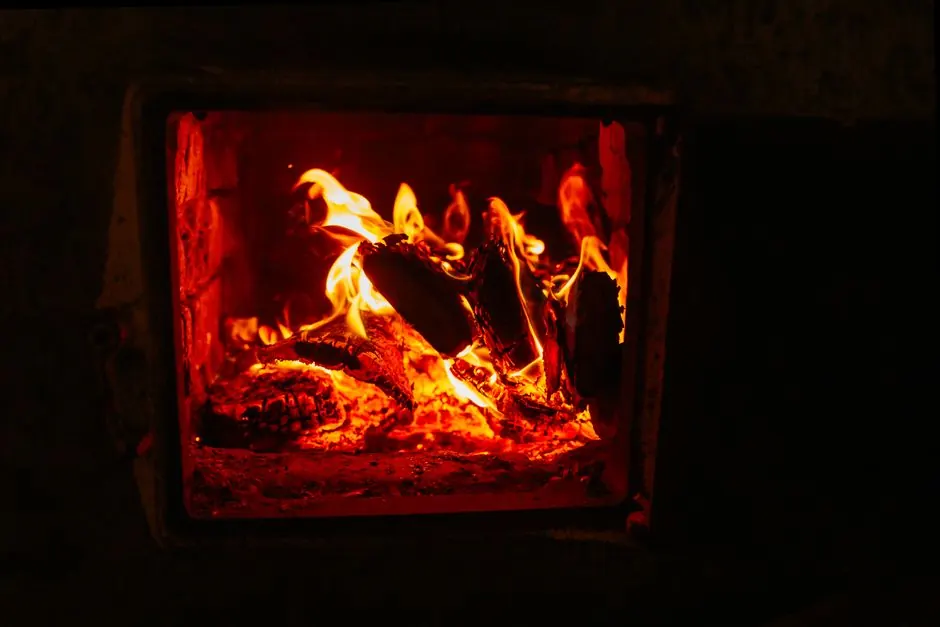
If your furnace ignites, burns for five to ten seconds, then shuts off and retries a minute later, a dirty flame sensor is the most likely cause. The flame sensor is a small rod that sits in the burner flame and sends a tiny current back to the control board to prove the burners are actually lit. When soot or oxidation coats that rod, the board loses the signal and shuts the gas valve for safety. This article walks through the six symptoms we see most in Saint Joseph, how to clean the sensor yourself, and when it is worth calling us instead.
What a flame sensor does and why dirt stops it
A furnace flame sensor is a safety device that confirms a flame is present before the gas valve stays open. It works on flame rectification: the hot flame ionizes the air around the rod, and the control board reads a microamp signal, usually between 2 and 6 microamps on a residential furnace, to keep the burners running. If that signal drops below roughly 0.5 microamps, the board assumes the burners never lit and closes the gas valve within three to seven seconds.
Dirt kills that signal. Soot from propane or natural gas combustion, dust pulled in through the burner compartment, and a thin oxide layer that builds up on the rod over a heating season all act as insulation. In our climate, a furnace runs hard from late October through March, so the sensor sees hundreds of heat cycles a year. Each cycle deposits a little more carbon on the ceramic insulator and the metal rod. By the time the rod is visibly dark, the signal is already too weak to prove flame.
Saint Joseph sits in a river valley, and the humidity swings here are brutal on furnace components. A furnace in a basement near the Missouri River bottoms sees more condensation in the off-season than one on the bluffs, and that moisture accelerates oxidation on the sensor rod. That is one reason we treat Furnace Repair Saint Joseph calls differently depending on where the equipment lives.
Six signs your furnace flame sensor is dirty
Flame sensor symptoms in Saint Joseph almost always follow one of six patterns, and most homeowners notice two or three of them together before they call anyone.
- Short burn cycles. The burners light, run five to fifteen seconds, then cut out. The blower may never come on, or it comes on for a minute and stops.
- Repeated ignition attempts. You hear the igniter click, the whoosh of gas lighting, then a shutdown. The board retries two or three times, then locks out for an hour or more.
- Lockout codes on the control board. A flashing LED pattern, often three flashes on Carrier and Bryant boards, points to a flame-proving fault. Check the sticker inside the blower door for the code chart.
- Cold air from the vents. Because the burners never stay lit long enough to heat the heat exchanger, the blower pushes room-temperature air. If your system is doing this, our page on furnace keeps blowing cold air Saint Joseph Missouri covers the other causes worth ruling out.
- Furnace runs fine after a power cycle, then fails again. Resetting the breaker clears the lockout, the furnace fires once, then quits. That pattern is almost always a weak flame signal, not a board failure.
- A visible dark or chalky rod. If you can see the sensor, it should look like dull silver. A black, brown, or white-coated rod is dirty and needs cleaning or replacement.
One thing to rule out first: a dirty sensor and a failing igniter look similar from the thermostat. The difference is that a bad igniter never lights the gas at all, while a dirty sensor lights the gas and then loses the flame. If you hear the whoosh and then the shutdown, you are looking at the sensor.
How do I know if my furnace flame sensor is dirty in Saint Joseph?
You know the flame sensor is dirty when the furnace lights, runs under fifteen seconds, shuts down, and repeats that cycle two or three times before locking out. That sequence is the signature. A dirty sensor still allows ignition; it just fails to prove the flame to the control board, so the board does the safe thing and closes the gas valve.
Confirm it in five minutes with a multimeter if you are comfortable working near the burner compartment. With the furnace calling for heat, set the meter to DC microamps and put the leads in series with the sensor wire. A clean sensor reads 2 to 6 microamps. Anything under 1 microamp, or a reading that bounces around, means the rod is fouled or the ceramic insulator is cracked.
If you would rather not pull the burner door, watch the sequence instead. Stand at the furnace with the thermostat set ten degrees above room temperature. You should hear the inducer motor spin up, the igniter glow, the gas light, and the burners stay lit for at least thirty seconds on a normal call. If they cut out at the eight-second mark, the sensor is the prime suspect.
Older homes around Downtown Saint Joseph and the Museum Hill neighborhood often have furnaces from the 1990s still running strong. Those units use the same flame rectification design, and their sensors foul just as fast. If your system is a Goodman, Rheem, or York, we stock replacement sensors for those brands and can often swap one the same day. Our Furnace Flame Sensor Repair in Saint Joseph, Missouri page lists the brands and symptoms we handle most.
How to clean a furnace flame sensor in Saint Joseph
Cleaning a flame sensor is a fifteen-minute job if you have the right abrasive and you are careful with the ceramic. You do not need chemicals, and you should never use sandpaper coarser than 600 grit.
Here is the process we use on service calls:
- Kill power at the furnace switch and shut the gas valve upstream of the burners.
- Remove the burner compartment door. On most units this is two quarter-turn fasteners or four screws.
- Find the sensor: a single metal rod, usually on the opposite side of the burner box from the igniter, held by one or two screws with a single wire attached.
- Pull the wire, remove the screw, and slide the sensor out. Do not bend the rod.
- Wipe the rod with a dollar bill, a piece of brown paper bag, or 600-grit emery cloth. Steel wool and sandpaper leave scratches that collect carbon faster.
- Check the ceramic insulator for cracks or dark burn marks. A cracked insulator means replacement, not cleaning.
- Reinstall, reconnect the wire, restore gas and power, and watch a full heat cycle.
If the furnace still short-cycles after a clean sensor, the problem is upstream. Low gas pressure, a weak igniter, or a failing control board can all mimic a dirty sensor. We see this often enough that we keep a combustion analyzer on every truck to check manifold pressure, which should sit around 3.5 inches of water column on most natural gas furnaces. If you are not sure which side of the fence you are on, our furnace ignition repair Saint Joseph Missouri team can diagnose it in one visit.
What to watch out for
Three mistakes cause most of the repeat flame sensor calls we run in Saint Joseph.
First, cleaning with the wrong abrasive. Sandpaper, steel wool, and emery boards rough up the rod and give carbon a place to grab. Stick with a dollar bill or 600-grit cloth.
Second, bending the rod. The sensor has to sit in the flame at a specific angle. If you knock it out of position, the signal drops even on a clean rod, and you will chase the same symptom for another week.
Third, ignoring the ceramic. A cracked insulator lets the flame signal leak to ground. Cleaning will not fix that. The sensor needs to be replaced, and the part runs $10 to $30 at most supply houses. We carry them on the truck.
One more thing: if your furnace has been short-cycling for weeks, the heat exchanger has been through hundreds of thermal shocks. That is worth a visual inspection while the burner door is off. Our furnace heat exchanger repair Saint Joseph Missouri service includes a combustion test, and it is the kind of check that catches a cracked exchanger before it becomes a carbon monoxide problem.
When to call a professional
Call a professional when the furnace still locks out after you have cleaned the sensor, when you see a cracked ceramic insulator, or when you smell gas at any point during the job. Those are not DIY situations.
We also recommend a pro visit if the furnace is more than twelve years old and this is the second or third sensor-related failure in a season. At that point the sensor is a symptom, not the disease. A technician can measure flame signal, manifold pressure, and heat exchanger integrity in about forty-five minutes and tell you whether a repair or replacement makes more sense.
Saint Joseph Furnace Repair Pros handles flame sensor cleaning and replacement across the city, from the South Side to the North End. We stock sensors for Carrier, Bryant, Trane, Lennox, Goodman, Rheem, York, and Amana units, so most jobs are a single visit. If you are in the middle of a cold snap and the furnace will not stay lit, our 24 hour furnace repair Saint Joseph line is the fastest way to get heat back.
Frequently Asked Questions
How do I know if my furnace flame sensor is dirty in Saint Joseph?
The tell is a furnace that lights, burns five to fifteen seconds, shuts off, and retries two or three times before locking out. A multimeter reading under 1 microamp on the sensor wire confirms it. A visibly black or chalky rod is the same diagnosis without the meter.
Can I clean my furnace flame sensor myself in Saint Joseph Missouri?
Yes, if you are comfortable shutting off power and gas and working inside the burner compartment. Use a dollar bill or 600-grit cloth, never sandpaper or steel wool, and do not bend the rod. If the ceramic insulator is cracked, stop and replace the sensor instead.
What happens if the flame sensor is dirty in Saint Joseph?
The control board loses the flame-proving signal and closes the gas valve within seconds of ignition. The furnace locks out for one to three hours, then tries again. You get no heat, and in a Saint Joseph January, a house can drop below 50 degrees overnight.
Who cleans furnace flame sensors near me in Saint Joseph?
Saint Joseph Furnace Repair Pros cleans and replaces flame sensors across the city, usually the same day you call. The job runs $95 to $185 in 2026, including the diagnostic, and most repairs take under an hour once we are on site.
How much does furnace flame sensor repair cost in Saint Joseph Missouri?
Typical 2026 pricing in this area is $95 to $185 for cleaning and a diagnostic, or $150 to $280 if the sensor needs replacement. Emergency after-hours calls run higher. A standalone sensor part costs $10 to $30, so most of the bill is labor and the diagnostic.
Get help with Furnace Repair in Saint Joseph
If your furnace lights and quits, we can clean or replace the flame sensor and confirm the rest of the ignition system in one visit. Call Saint Joseph Furnace Repair Pros at (816) 339-6148 and we will get your heat back on.